

Columbia Nursing Home Abuse Lawyer
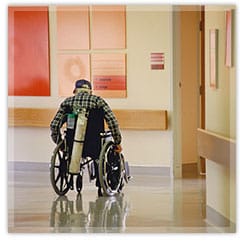
Lacking the physical strength and autonomy they had when they were younger, the elderly are among the most vulnerable groups of people among us. Unfortunately, in far too many cases, the people paid to provide care for the elderly are the very people who are committing abuse, exploitation and neglect against them.
Florence nursing home abuse lawyer Rose Mary Parham is a strong advocate for the elderly. With more than 22 years of trial court experience, Mrs. Parham uses her experience to help nursing home abuse victims and their families obtain compensation for the damages and losses they have sustained. With a compassionate, client-centered approach to legal representation, she takes the time to listen to her clients and determine the best course of action in their cases. Once the course of action has been decided, she takes an aggressive, strategic approach to protecting her clients’ rights.
Protecting The Safety And Dignity Of Our Elderly Loved Ones
Parham Law Firm, LLC, represents clients who have been victimized by:
- Physical abuse: Parham Law Firm, LLC, represents clients who have been physically hurt by nursing home staff, doctors or nurses.
- Emotional abuse: In some cases, nursing home staff will treat their elderly residents with contempt, call them names or make them feel inferior. Although this type of abuse is more difficult to prove, it is no less serious.
- Neglect: Doctors, nurses and nursing home staff can be liable for damages even without doing anything active to harm a resident. Failing to move residents regularly, maintain proper sanitation or adequately feed residents can cause serious harm.
Recognizing The Hidden Signs Of Nursing Home Abuse And Neglect
The signs of nursing home abuse can appear gradually. According to data from the National Center on Elder Abuse (NCEA), roughly one in 10 older adults in the U.S. experience some form of mistreatment annually, yet the vast majority of cases go unreported. This is why family members must pay close attention to their loved one’s physical condition and how they react around caregivers.
Physical red flags may include:
- Unexplained bruises or marks: These may appear on the arms, wrists, face or torso without a clear explanation.
- Recurring falls: Repeated falls can suggest poor supervision, unsafe conditions or ignored mobility needs.
- Bedsores in nursing homes: Advanced pressure ulcers are classified by the Centers for Medicare & Medicaid Services (CMS) as highly preventable ‘never events.’ Their development typically indicates a severe failure in basic repositioning, hydration, or wound care protocols.
- Sudden weight loss: This may suggest dehydration, missed meals, medication problems or lack of help with eating.
- Poor personal hygiene: Dirty clothing, unwashed hair, soiled bedding or strong odors may be signs of nursing home neglect.
Emotional and behavioral changes can be just as important as physical warning signs. In many cases, emotional abuse in elderly residents leaves no visible injury, making it more difficult for families to recognize. Common emotional and behavioral red flags include:
- Sudden withdrawal from family and friends: A resident who once enjoyed visits may begin isolating themselves or avoiding conversations.
- Noticeable personality changes: An outgoing individual may become unusually quiet, nervous or distrustful without an obvious reason.
- Signs of depression or anxiety: Frequent sadness, crying, hopelessness or excessive worry may indicate emotional distress.
- Fear of certain staff members: A resident may become tense, agitated or visibly uncomfortable when a particular caregiver enters the room.
- Loss of interest in activities: Refusing social events, hobbies or recreational programs can signal underlying problems.
- Changes in sleeping habits: Difficulty sleeping, frequent nightmares or excessive sleeping may be associated with mistreatment or emotional trauma.
- Reluctance to speak openly: Some residents may seem hesitant to answer questions when staff members are nearby or may provide rehearsed responses.
- Increased confusion or agitation: While medical conditions can contribute to these symptoms, sudden changes may warrant further investigation.
While aging and medical conditions can affect behavior, unexplained changes deserve attention. A closer look may reveal issues that place a loved one’s health, dignity and safety at risk.
For families concerned about mistreatment, attorney Rose Mary Parham can review what happened and explain the next steps. Reach out to a South Carolina nursing home abuse lawyer for a confidential consultation.
Liability In Nursing Homes: Who Can Be Held Responsible?
If your loved one was injured in a facility, you may be wondering if you have grounds for a claim, or who to hold accountable. Many families do not realize that nursing home liability extends far beyond an individual nurse or aide. The corporate owners themselves can often be held legally responsible for systemic failures.
You may be eligible to take legal action if harm occurred due to issues such as:
- Intentional understaffing: Corporate owners often cut staff to bare minimums to maximize profits. If your loved one suffered a fall, severe bedsores or malnutrition because overwhelmed staff could not provide basic care, the facility can be held accountable for corporate nursing home negligence.
- Negligent hiring: Facilities are legally required to run thorough background checks. If they hire individuals with a history of mistreatment or safety violations, the facility may be liable for elder abuse that results.
- Inadequate training: When management fails to properly train caregivers on memory care safety, medication management or safe transfer techniques, they may be directly responsible for preventable injuries.
Determining who to sue for nursing home abuse can get complicated. Many facilities use third-party contractors, management groups and parent companies to try to hide behind complex legal shields. Attorney Rose Mary Parham knows how to cut through that noise. She will review your situation, explain your legal options and pursue accountability from every responsible party.
Contact An Elder Care Abuse Lawyer In Greenville
To schedule your initial consultation with an experienced elder abuse attorney, call 888-341-3469 or contact the firm online.